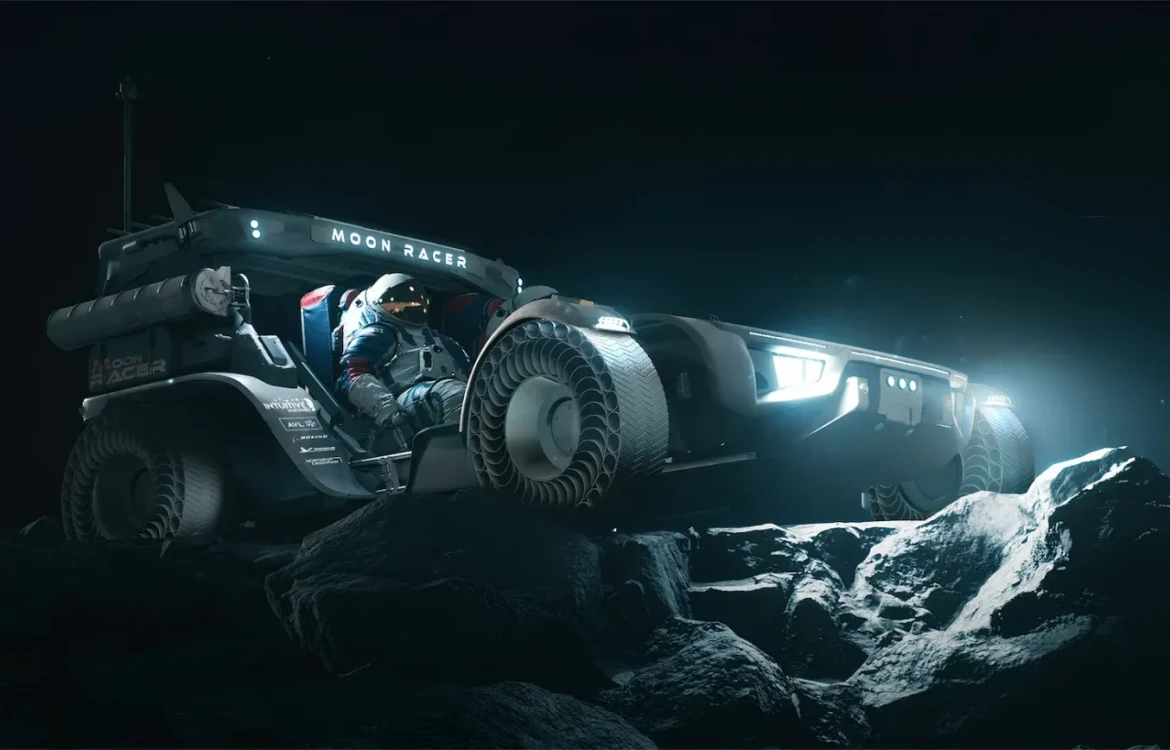

Image Credits: Intuitive Machines
NASA has given three space companies the chance to design the next generation moon buggy — but only one design will go to space. Intuitive Machines, Lunar Outpost, and Venturi Astrolab are developing rugged vehicles intended for astronauts to drive around on the lunar surface, from which NASA may choose as early as next year.
The three teams will now enter into a 12-month “feasibility phase” that will culminate in a preliminary design review. At that point, there will be a subsequent competitive request for proposals, where the trio of companies will compete for a demonstration task order, NASA officials explained during a press conference on Wednesday.
At that point, a final awardee will be selected. The chosen company will be responsible not only for designing the LTV but for launching and landing it on the moon prior to the Artemis V mission, which is currently slated for no earlier than 2029.
NASA declined to specify the dollar value of the awards, though Intuitive Machines said in a statement that it was awarded a $30 million contract. The total potential value of all the task orders over the next 13 years is $4.6 billion.
The three teams are also keeping specifications, like range or battery technology, close to the chest, though NASA specified that the rover would have to have an incredible 10-year lifespan and be capable of carrying two suited astronauts.
Intuitive Machines is leading a team that includes AVL, Boeing, Michelin, and Northrop Grumman; Lunar Outpost is leading the “Lunar Dawn” team that includes Lockheed Martin, General Motors, Goodyear and MDA Space; and Astrolab is joined by Axiom Space and Odyssey Space Research.
The awards are the latest to be doled out to private industry under the agency’s ambitious Artemis program, which seeks to eventually establish a permanent human presence on the moon. But in order to truly explore the surface, astronauts will need something to get around — and it will need to withstand the harsh environment of the lunar south pole, which is known for temperature extreme swings and very long nights.
“Think of it as a hybrid of the Apollo-style lunar rover that was driven by our astronauts and an uncrewed mobile science platform,” NASA’s Johnson Space Center director Vanessa Wyche said.
With the vehicles, astronauts will be able to transport scientific equipment, collect samples from the surface and travel farther than on foot, Jacob Bleacher, NASA’s chief exploration scientist, said. When astronauts are not on the moon, humans will be able to remotely operate the LTV, so it can continue to explore the region and even meet new astronaut crews when they arrive on the surface.
“With NASA’s Artemis campaign, we are building up the capabilities needed to establish a longer-term exploration and presence of the moon,” he said. “Where it will go, there are no roads. Its mobility will fundamentally change our view of the moon.”
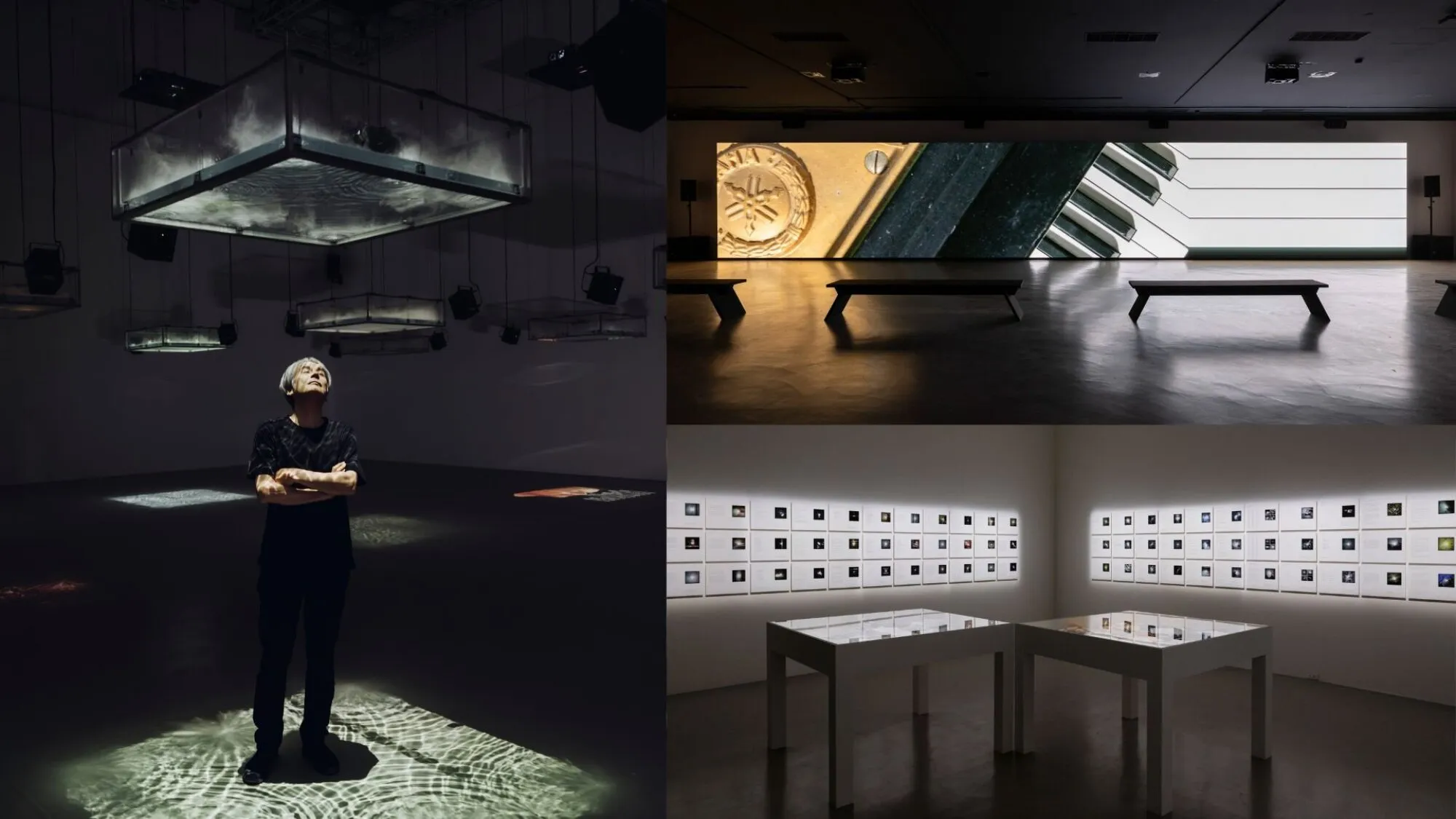
坂本龍一大型回顧展《觀音.聽時》10/31 於北美館開展!編輯搶先開箱 7 組大型裝置看點,觀展亮點與 12 月最新預約攻略一次整理!

台南七股《山山山屋》重現昔日鹽山風景!藝術家陳昱良透過田野調查與社區共創,將鹽田歷史、濕地生態與地方記憶轉化為 4 件地景創作。
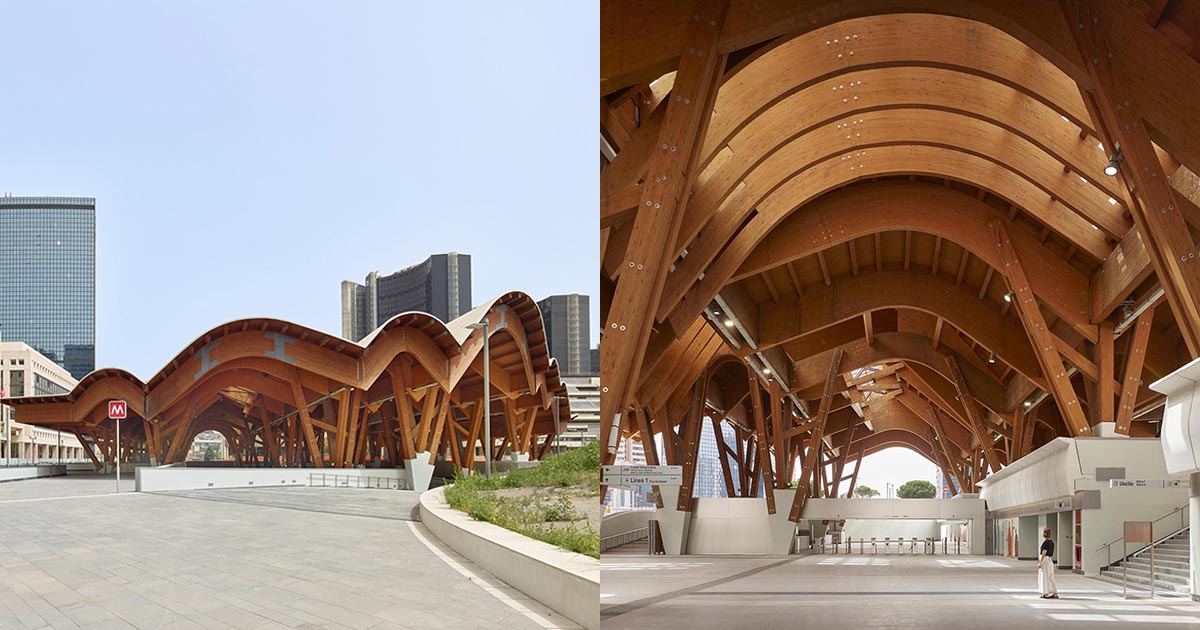
在丹下健三規劃的現代主義水泥叢林中,由西班牙建築團隊 EMBT 打造的拿坡里商業中心地鐵站,以起伏拱頂、分枝木柱與龐貝古城色彩,為這座城市的交通空間帶來全新風景。
